
If you are interested in weight loss and spend some of your time on social media, you have probably heard and seen a lot about the GLP-1 hormone, and you have probably heard about weight loss injections that are supposed to raise this hormone or mimic it and help with weight loss. There is a lot of talk on this topic, and everyone has an opinion. Honestly, once we understand what this hormone is and see how effective it is for weight loss, and how "amazing" it is naturally, we will want to find ways to raise it ourselves.
In this article we talk about the topic in more depth so we have a better understanding of the GLP-1 system in the body, covering:
- What the GLP-1 hormone is
- Its most important functions (what makes it great for weight loss)
- Foods that stimulate and increase its production
- Practices and habits that stimulate and increase its production
The GLP-1 Hormone
It is a hormone produced by specialized cells in the small intestine. When you eat protein, fiber, and certain types of healthy fat in particular, GLP-1 enters the bloodstream.
Its Most Important Functions
This hormone does 3 important things that play a big role in weight loss: sending signals to the brain to reduce appetite, slowing down digestion, which extends fullness, and stimulating insulin release to control blood sugar levels.
The problem happens with a lot of people, especially those with higher weight, is that the GLP-1 system in the body becomes imbalanced. Either the production process does not happen correctly, or the body does not respond correctly, so the person does not reach a feeling of fullness quickly and ends up overeating.
Medication-based treatments give the body large amounts and doses of manufactured versions of this hormone, so they replace the natural process that is supposed to produce GLP-1.
Now we will talk about all the natural ways we can strengthen the system responsible for producing this hormone. The first thing we will discuss is nutrition and the foods that strongly stimulate GLP-1 production.
Foods That Help Produce GLP-1
1. Protein
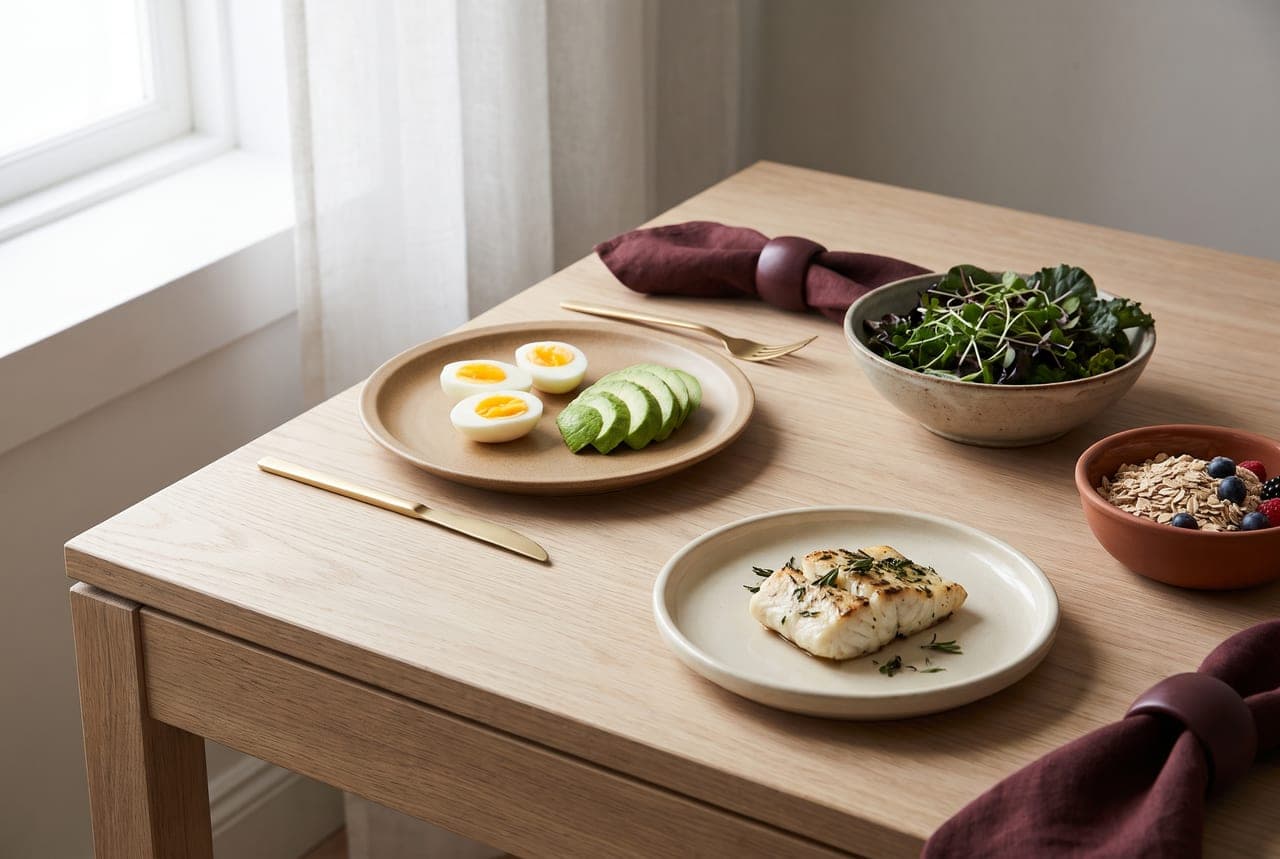
One of the nutrients with the strongest, biggest effect on GLP-1 production, and it matters that it is present in your diet in sufficient amounts across most or all of your daily meals. Its best sources: lean meat, chicken, fish, eggs, and low-fat cheese.
2. Soluble Fiber
It increases production in two ways: first by slowing digestion and stomach emptying, and second by fermenting in the gut, which directly increases GLP-1 production. Its best sources: oats, legumes, barley, apples, citrus, berries, sweet potatoes, artichokes, chia seeds, and flax seeds.
Important note: increase fiber gradually in your diet to avoid constipation, and make sure to drink enough water.
3. Healthy Fats
Not all fats affect GLP-1 production the same way, some types work better than others, most notably extra virgin olive oil, nuts, avocado, and fatty fish.
That covers the nutrition side, and now we know which foods boost GLP-1 production. You can easily add more of these foods to your diet to get their benefits, but it matters to be mindful of portions, how you combine foods, and meal timing, especially if your goal is weight loss.
Habits and Practices That Positively Affect GLP-1 Production
1. Exercise
It has a very direct effect on increasing GLP-1 production, especially if you combine cardio and resistance training instead of doing just one type. Sessions of 30 minutes or a bit more are more useful than very short or very long sessions.
2. Sleep
Especially high-quality sleep at night of no less than 7 hours. Poor sleep disrupts the cycle of many hormones, including GLP-1. When GLP-1 drops, leptin (the fullness hormone) drops with it, and poor sleep also automatically raises ghrelin (the hunger hormone), because the body looks for a quick source of energy, and the first thing it reaches for is food, especially the kind that does not serve a weight loss goal.
To make sure you get good sleep that actually benefits you, try to sleep before 11pm, keep the same sleep time every day, make sure your bedroom is cool and dark, and avoid screens for a few hours before bed so your hormone cycle stays more regular.
3. Meal Timing and How You Eat
Under normal conditions, GLP-1 production is synced with your daily rhythm (which follows the cycle of the sun, moon, night, and day), and production is higher in the morning, midday, and evening than at night. So eating the largest amount of food during these periods instead of at night supports the natural GLP-1 production cycle.
The order in which you eat also affects GLP-1 release. Eating protein and fiber before carbohydrates boosts its release and improves blood sugar levels after the meal.
4. Managing Stress
Stress, especially ongoing stress, raises cortisol levels in the body, which negatively affects GLP-1 release and also encourages fat accumulation around the belly. Among the most effective and enjoyable ways to lower cortisol and reduce stress: prayer, meditation, deep breathing, walking in nature, reading, hobbies, relaxation, and journaling.
You have probably noticed that these habits and changes that boost the GLP-1 system are the same ones we always say are excellent for weight loss. Beyond boosting GLP-1, they carry other major benefits too.
The Bottom Line
Now you understand this topic better, and you are able to work things in your favor by adding these foods and changing a few practices and habits. God willing, you will see a real difference.
One thing worth keeping in mind: all of this genuinely helps balance the GLP-1 system, but it is also important not to forget that to achieve weight loss, you still need to be in a calorie deficit and pay attention to how your meals are structured.
Want that same natural effect, but focused on shrinking an open appetite specifically?
The Natural Takmeem (No Surgery) course is built on exactly this idea, working with your body to gradually shrink your appetite over just 4 weeks, no injections, no surgery.